For some parents, breastfeeding can be a wonderful time to bond with their child. For others, it can be painful, frustrating, and exhausting when a tongue-tie or lip-tie makes feeding difficult. At Kidz Place Dentistry, we provide gentle frenectomy treatment in San Diego, CA to help release restricted tissue and support better feeding, speech, eating, and oral movement.

.png)
.png)
.png)

San Diego Pediatric Dentist
Meet Dr. Joshua Allen
Dr. Joshua Allen is committed to blending his extensive clinical skills, medical knowledge, and compassionate demeanor to provide exceptional pediatric dental care for the children of San Diego. His genuine love for working with young patients has guided his professional journey, and he is proud to bring that passion and expertise to the families of Kidz Place Dentistry San Diego.Understanding that dental visits can feel intimidating for children, Dr. Josh focuses on creating an easygoing, calming, and reassuring environment.
His warm personality and diverse experience help melt away anxiety and encourage positive, confidence-building dental experiences. Parents can feel at ease knowing their child’s comfort and wellbeing are always his highest priorities.

Did you know…

Tongue-ties can affect newborns and may sometimes go undiagnosed, especially when symptoms are mistaken for general feeding challenges. Early evaluation can help parents understand whether a tongue-tie or lip-tie is contributing to breastfeeding, bottle feeding, speech, or eating concerns
Differentiator Heading
This is the differentiator paragraph copy. This is the differentiator paragraph copy. This is the differentiator paragraph copy. This is the differentiator paragraph copy.



Frenectomy Consults
Peace of Mind
One-on-One Advice
Custom Treatment Plan
One-on-One Advice
Sometimes, getting started is the hardest part. We are here to help you take the first step with frenectomy consults.

Before & After
A smile is worth 1,000 words.
See real patient success stories.
The Benefits of Frenectomies
Support More Comfortable Feeding
Tongue-ties and lip-ties can make breastfeeding or bottle feeding difficult for both baby and parent. Releasing restricted tissue may help improve latch, reduce clicking during feeds, and support better milk transfer.
Encourage Better Speech & Tongue Mobility
Restricted tongue movement may affect speech development as children grow. A frenectomy may help improve tongue mobility when limited movement is contributing to speech or oral function concerns.
Improve Eating, Swallowing & Oral Function
Releasing tight tissue can also help older children move their tongue and lips more comfortably. This may make chewing, swallowing, and eating certain foods easier.
The Frenectomy Process

Frenectomy Consultation & Evaluation
First, a consultation is needed to determine if your child requires a frenectomy. You will discuss your concerns with Dr. Joshua Allen, and your child will receive a gentle oral exam to check for signs of tongue-tie or lip-tie. If treatment is recommended, we will explain the procedure, answer your questions, and help you feel prepared before moving forward.

Aftercare & Healing Support
With a laser frenectomy, stitches are often not needed. Proper aftercare may include keeping the treatment area clean and following any recommended tongue or lip stretches. Your child’s dentist will explain how to care for the area at home and what to expect during healing.

Gentle Laser Tissue Release
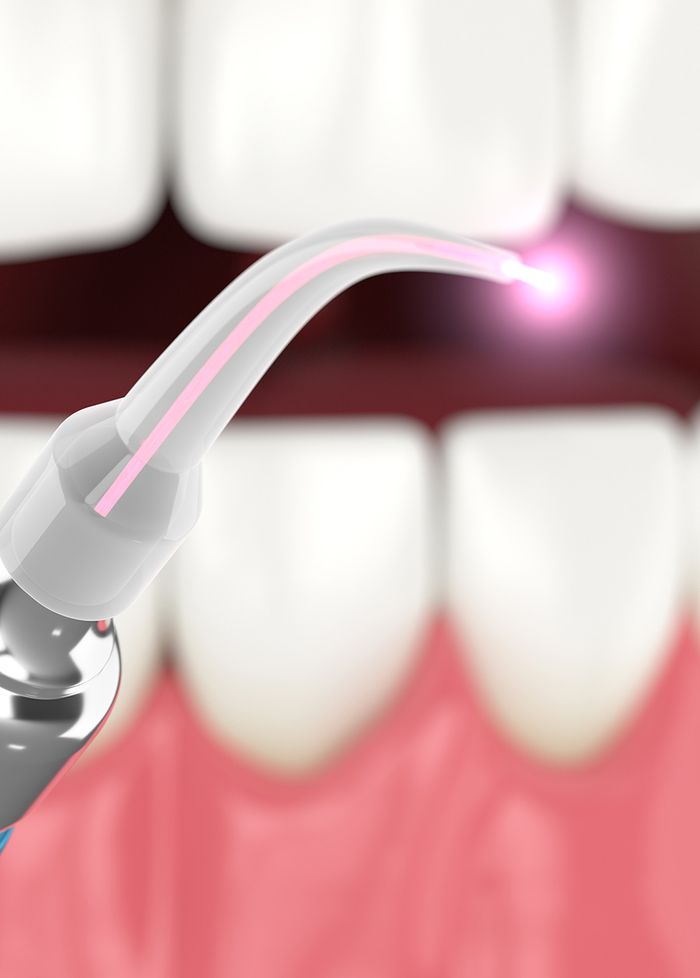
The restricted frenum is carefully released to improve movement. At Kidz Place Dentistry, laser technology may be used to minimize bleeding, reduce discomfort, and support smoother healing. The release itself is typically quick, and our team focuses on keeping your child comfortable throughout the visit.
Frequently Asked Questions

Are frenectomies only for infants and young children?
Frenectomies are usually identified in infants and young children before they grow older, so the treatment is primarily done on younger children. However, it’s not exclusively provided to infants and young children. Older kids, teenagers, or even adults who have tongue or lip ties may be able to benefit from treatment with a frenectomy if they have serious tongue or lip ties.
What is recovery and aftercare like for frenectomies?
To care for the surgical site, you will need to clean the treatment area twice a day to prevent infection and keep it healthy. Your child’s dentist may also recommend some stretches for the tongue and/or lips. These stretches will help ensure that when the frenulum heals, it will not reattach and restrict your child’s oral range of motion. Follow the instructions given to you and make sure you regularly perform all stretches recommended to you by your child’s dentist.
Are frenectomies covered by dental insurance?
A frenectomy will typically be covered by dental insurance, so you can get your child the care they need without worrying about high out-of-pocket expenses. Even if you do not have insurance, the cost of a frenectomy is quite low. Insurance plans vary, so make sure you consult with your dental insurance company to make sure your child is covered for their treatment.
Are frenectomies painful?
Not at all. Your child’s mouth will be completely numb throughout the procedure, and we use special tools at our office to eliminate pain and discomfort. With laser dentistry, your child will experience minimal bleeding, and they will be able to recover from tongue or lip tie treatment quickly and with low levels of post-operative discomfort.
Are frenectomies only for infants and young children?
No. Frenectomies can be helpful for infants, children, and sometimes teens. Infants may need treatment for feeding concerns, while older children may benefit if a tongue-tie or lip-tie affects speech, eating, oral hygiene, or dental development.
How do I know if my child needs a frenectomy?
Feeding problems are the most common signs of tongue and lip ties. Your child’s lips and tongue need to be able to move properly to latch onto the nipple and stimulate it for proper feeding. If they seem to be having trouble making a proper seal, milk dribbles out from their mouth while feeding, or they frequently stop and start feeding, they may be having latching issues due to tongue or lip ties.
You can also look for visual signs of tongue and lip ties. For the lips, you can fold back your child’s upper lip and look at the frenulum. If it is difficult to lift the lip or it seems like your baby is unable to move their upper lip on their own, they may have a lip tie.
Signs of tongue ties include an inability for your child to stick their tongue out past their front teeth, or problems moving the tongue from side to side. Tongue ties can also be identified visually. A common sign of tongue ties is a “heart-shaped” tongue. When your child sticks their tongue out, the restriction caused by the tongue tie may cause it to look “notched” or heart-shaped, instead of appearing as a smooth “U” shape.
Caring for North San Diego Families With Pediatric Dental Care
Kidz Place Dentistry is located in San Diego, making it a convenient choice for families looking for pediatric dental care in the surrounding North San Diego communities. Our office is easy to reach for parents who want a trusted dental home for their child’s routine checkups, cleanings, preventive care, restorative treatments, and urgent dental concerns.
Many families visit us from nearby areas, including Pacific Highlands Ranch, CA, Torrey Hills, Carlsbad, Encinitas, Solana Beach, Rancho Santa Fe, CA and nearby North San Diego communities. Whether your child is coming in for a first dental visit, a regular cleaning, or a specific dental concern, our team focuses on making each appointment calm, clear, and comfortable for both children and parents.
We understand that choosing a pediatric dentist is an important healthcare decision. Our goal is to provide children with age-appropriate dental care, helpful guidance for parents, and a positive experience that supports long-term oral health. If you live in one of the nearby communities, Kidz Place Dentistry is here to help your child build healthy dental habits in a friendly, child-focused setting.