At Kidz Place Dentistry, we provide gentle pediatric sedation dentistry in San Diego, CA for children who feel anxious, fearful, or uncomfortable during dental visits. Our sedation options help kids stay calm and relaxed during treatment, making dental care easier for children and more reassuring for parents.

.png)
.png)
.png)

San Diego Pediatric Dentist
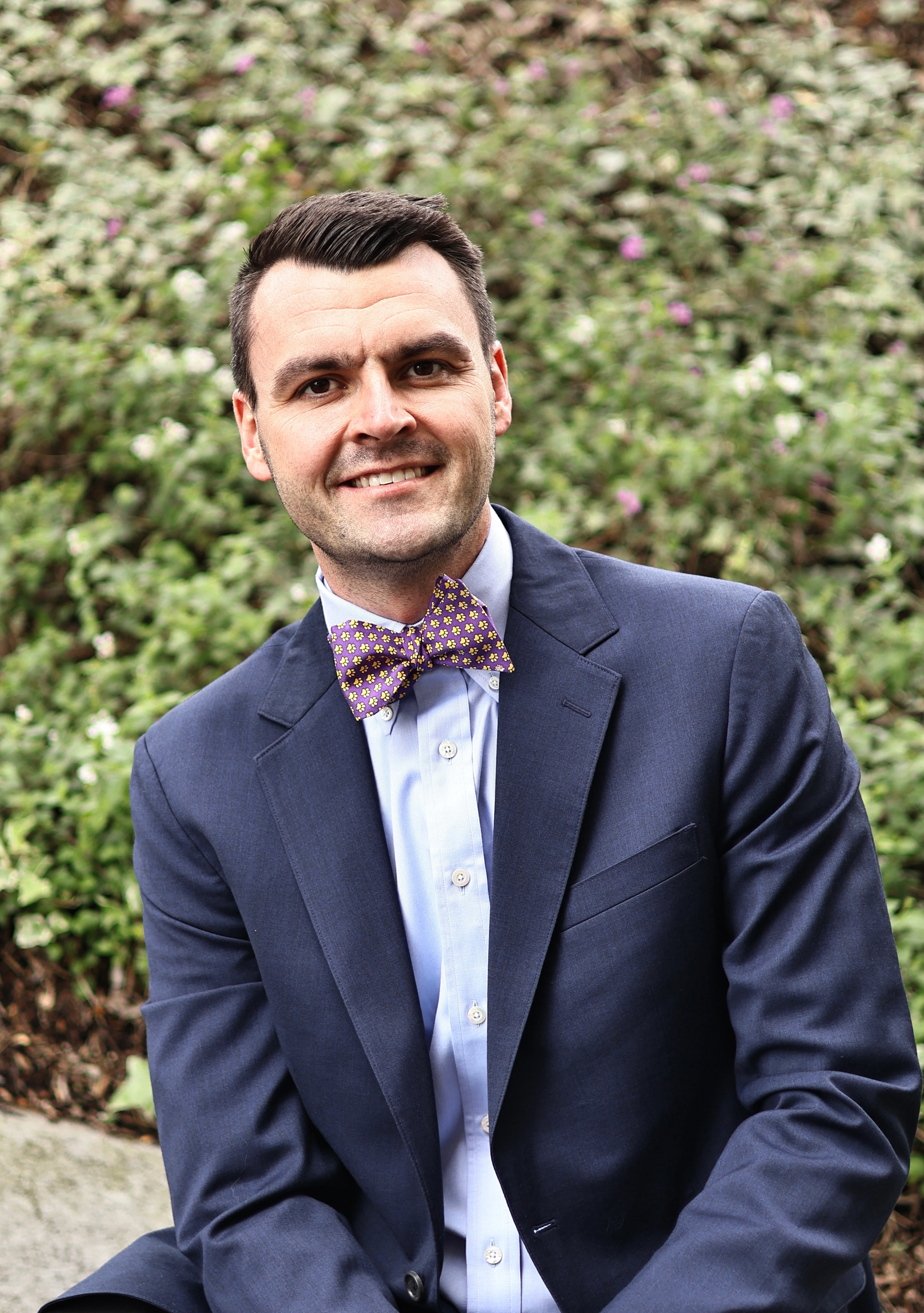
Meet Dr. Joshua Allen
Dr. Joshua Allen is committed to blending his extensive clinical skills, medical knowledge, and compassionate demeanor to provide exceptional pediatric dental care for the children of San Diego. His genuine love for working with young patients has guided his professional journey, and he is proud to bring that passion and expertise to the families of Kidz Place Dentistry San Diego.Understanding that dental visits can feel intimidating for children, Dr. Josh focuses on creating an easygoing, calming, and reassuring environment.
His warm personality and diverse experience help melt away anxiety and encourage positive, confidence-building dental experiences. Parents can feel at ease knowing their child’s comfort and wellbeing are always his highest priorities.
Did you know…

Nitrous oxide, or “laughing gas” was first used in dental sedation way back in 1844. Today, it’s still the most common sedation method for kids.
Differentiator Heading
This is the differentiator paragraph copy. This is the differentiator paragraph copy. This is the differentiator paragraph copy. This is the differentiator paragraph copy.


Payment Options For Every Budget
Healthcare Financing Options
Membership Plans Available
Insurance-Friendly Office
Complimentary Meet & Greets
Overcoming the fear of going to the dentist can be a challenge. That’s why we encourage parents to bring their little ones for a tour of the office and to meet the team. Their dentist will “count their teeth” and show them how cool going to the dentist can be, so they can get excited about their oral health!

Before & After
A smile is worth 1,000 words.
See real patient success stories.
The Benefits of Pediatric Sedation Dentistry
Help Manage Pediatric Dental Anxiety
Many parents search for pediatric dental anxiety near me when their child is afraid of dental visits. Sedation can help reduce fear, stress, and resistance during treatment. By creating a calmer experience, pediatric sedation dentistry can help children receive the care they need while building more positive feelings about future dental visits.
Make Dental Treatment More Comfortable
Sedation dentistry can help children feel more comfortable during procedures such as fillings, crowns, extractions, or more complex dental care. When combined with local numbing when needed, sedation may reduce awareness of sounds, pressure, and sensations that can feel overwhelming. This helps make treatment smoother for both the child and dental team.
Support Safer Care for Active or Sensitive Children
Some children have trouble staying still because of age, anxiety, sensory sensitivity, or special healthcare needs. A pediatric sedation dentist may recommend sedation to help your child remain calm and reduce sudden movement during treatment. This allows our team to work more carefully while keeping your child’s comfort and safety at the center of care.
The Pediatric Sedation Dentistry Process

Sedation Consultation & Health Review
Before recommending sedation, we review your child’s medical history, medications, dental needs, and anxiety level. This helps us decide whether sedation is appropriate and which option may be safest. We also answer parent questions so you understand the benefits, risks, preparation steps, and recovery expectations.

Sedation Preparation & Treatment
If sedation is recommended, our team gives you detailed instructions before the appointment. Depending on the sedation option, this may include food, drink, medication, and arrival guidelines. During treatment, your child is monitored carefully while our pediatric dental team completes the necessary care in a calm, supportive environment.

Recovery & Aftercare Guidance
Recovery depends on the type of sedation used. Laughing gas usually wears off quickly, while oral sedation, IV sedation, or general anesthesia may require more rest and observation. Before you leave, we explain what your child can eat, how they may feel, and when they can return to normal activities.
Frequently Asked Questions

Is sedation dentistry safe for toddlers?
When done correctly, sedation dentistry for children, even toddlers, is completely safe. Several precautions are taken to ensure a seamless experience. First, we’ll take a detailed health history to make sure we recommend the right sedation option. We’ll then discuss options with the parent or guardian so that you understand the effects and are prepared to care for your child after their procedure. All methods of sedation dentistry are provided by professionals at our office so you can rest assured that your child’s well-being is of the utmost importance.
What does sedation dentistry feel like for my child?
This depends on the method of sedation. With laughing gas, your child will feel light-headed, giggly, and relaxed, but will be fully conscious and aware of their surroundings. They will also feel less discomfort during treatment.
Oral conscious sedation and IV sedation will usually make patients feel groggy or sleepy. Your child will likely fall asleep, and probably won’t remember much about the procedure. However, they will not be unconscious, and can still be woken and respond to commands.
General anesthesia is the deepest level of sedation. Your child will be completely unconscious and will not feel anything or remember anything from the procedure.
Is sedation dentistry right for my child?
As long as your child is healthy and is not taking any medications that may interfere with the sedation, your child should be a good candidate for sedation dentistry. Contact us to learn more about sedation options for your child. We can discuss any concerns you may have during a consultation.
Why is sedation used in dentistry?
Sedation is most often used to treat dental anxiety and keep children at ease during their treatment. Fear of the dentist is very common, and sedation can keep your child calm during their appointments.
Additionally, sedation helps with pain and discomfort during more invasive procedures, such as tooth extractions. It also helps young patients feel more comfortable if they need to sit still for longer treatment times.
Caring for North San Diego Families With Pediatric Dental Care
Kidz Place Dentistry is located in San Diego, making it a convenient choice for families looking for pediatric dental care in the surrounding North San Diego communities. Our office is easy to reach for parents who want a trusted dental home for their child’s routine checkups, cleanings, preventive care, restorative treatments, and urgent dental concerns.
Many families visit us from nearby areas, including Pacific Highlands Ranch, CA, Torrey Hills, Carlsbad, Encinitas, Solana Beach, Rancho Santa Fe, CA and nearby North San Diego communities. Whether your child is coming in for a first dental visit, a regular cleaning, or a specific dental concern, our team focuses on making each appointment calm, clear, and comfortable for both children and parents.
We understand that choosing a pediatric dentist is an important healthcare decision. Our goal is to provide children with age-appropriate dental care, helpful guidance for parents, and a positive experience that supports long-term oral health. If you live in one of the nearby communities, Kidz Place Dentistry is here to help your child build healthy dental habits in a friendly, child-focused setting.