At Kidz Place Dentistry, we offer silver diamine fluoride treatment in San Diego, CA to help slow cavity progression without drills or shots. This gentle option may be ideal for children with early tooth decay, baby teeth, dental anxiety, or special healthcare needs. Our pediatric dental team focuses on conservative, comfortable care for growing smiles.

.png)
.png)
.png)

San Diego Pediatric Dentist
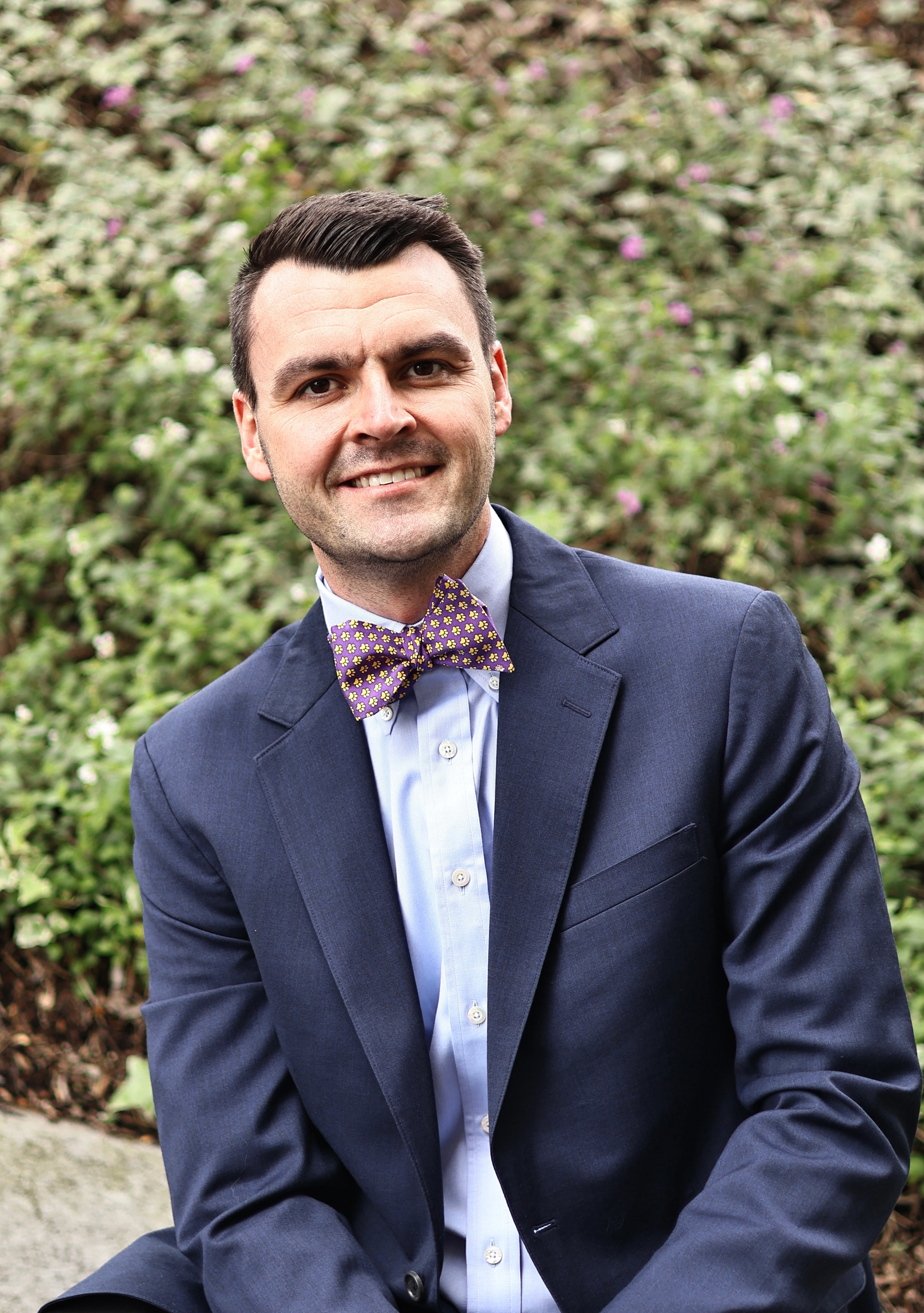
Meet Dr. Joshua Allen
Dr. Joshua Allen is committed to blending his extensive clinical skills, medical knowledge, and compassionate demeanor to provide exceptional pediatric dental care for the children of San Diego. His genuine love for working with young patients has guided his professional journey, and he is proud to bring that passion and expertise to the families of Kidz Place Dentistry San Diego.Understanding that dental visits can feel intimidating for children, Dr. Josh focuses on creating an easygoing, calming, and reassuring environment.
His warm personality and diverse experience help melt away anxiety and encourage positive, confidence-building dental experiences. Parents can feel at ease knowing their child’s comfort and wellbeing are always his highest priorities.
Did you know…

Untreated cavities can grow, cause pain, and lead to infection. Silver diamine fluoride may help slow early decay before it becomes a bigger problem.
Differentiator Heading
This is the differentiator paragraph copy. This is the differentiator paragraph copy. This is the differentiator paragraph copy. This is the differentiator paragraph copy.




Before & After
A smile is worth 1,000 words.
See real patient success stories.
The Benefits of Silver Diamine Fluoride
No Needles Or Drills
For many children, the sounds and feelings of dental drills can be overwhelming. Silver diamine fluoride offers a simpler option because it does not require removing tooth structure or using a numbing injection. The treatment is quick, quiet, and gentle, making it a helpful choice for young children, anxious patients, or children who may not be ready for traditional fillings.
Helps Slow Cavity Progression
Silver diamine fluoride is designed to help stop or slow active tooth decay. When applied to the affected area, it helps strengthen weakened tooth structure and reduce cavity-causing bacteria. This can be especially useful for baby teeth that need protection until they naturally fall out. Regular monitoring is still important to make sure the tooth stays healthy.
Cost Effective Care for Baby Teeth
When a child qualifies for silver diamine fluoride, it may be a more affordable option than some restorative treatments. Because the process is simple and non-invasive, it can help parents manage early cavities before they become more serious. Our team will always explain the benefits, limitations, and costs so you can make the right decision for your child.
The Silver Diamine Fluoride Treatment Process

Cavity Evaluation & Tooth Preparation
Your child’s visit begins with a gentle dental exam. We check the tooth, evaluate the cavity, and may use digital X-rays to see how deep the decay is. If silver diamine fluoride is appropriate, we clean and dry the treatment area carefully. A protective coating may also be used to help reduce temporary staining on nearby soft tissues.

Gentle SDF Application
Once the tooth is prepared, our pediatric dental team applies silver diamine fluoride using a small brush. The liquid is placed directly on the affected area so it can help slow decay and strengthen the tooth. The process usually takes only a few minutes, and most children tolerate it very well because there are no drills, shots, or loud instruments.

Follow Up & SDF Reapplication
Silver diamine fluoride is not always a one time treatment. Some children may need reapplication during routine dental visits to continue protecting the tooth. Our team will monitor the area at checkups and let you know if additional treatment is needed. Good brushing, flossing, and regular preventive visits remain important for keeping your child’s smile healthy.
Frequently Asked Questions

Does silver diamine fluoride treatment hurt?
No, SDF treatment does not hurt. Since silver diamine fluoride requires no removal of the enamel, it is not usually painful. If any of the SDF liquid comes in contact with the gums, tongue, or lips your child may experience a slight tingling sensation. However, when SDF is carefully applied by an experienced dentist, this is unlikely. At our office, we use small brushes to ensure precise application.
How does SDF work?
By painting SDF onto your child’s tooth, your doctor can effectively stop the progression of tooth decay. SDF does this by simultaneously killing bacteria and remineralizing the tooth. The minerals in the SDF solution (silver and fluoride) penetrate the tooth structure and “fill in” the gaps where the tooth enamel has been eaten away by plaque and tartar.
SDF is effective for treating teeth that have soft spots, or the beginning stages of a cavity, but it does not work on open cavities, or more severe tooth decay. This is because when the tooth has been damaged enough to create an open cavity, the tooth will need to be filled to restore the shape and structure of the tooth, which SDF can not do.
Will SDF allow my child to avoid additional treatment?
With regular reapplications and proper at-home oral care, it may be possible for your child to avoid additional treatment if the silver diamine fluoride is being applied to a baby tooth. Ideally, the SDF would halt the progression of the tooth decay until the baby tooth can fall out naturally on its own. This is usually the case, but sometimes if a cavity is too deep or too far advanced, SDF may not be enough.
If SDF is being used on an adult tooth, it is likely that it is just being used as a preventive measure to hold off additional restorative treatment, such as a dental filling or root canal, until your child is old enough to undergo treatment without the need of sedation.
Is SDF treatment covered by insurance?
While some insurance policies are starting to cover silver diamine fluoride, many still do not. It is important to check with your provider to ensure you understand your dental insurance benefits and coverage before proceeding with treatment. Oftentimes, SDF can be a more cost-effective treatment than many other restorative procedures, so even if it is not covered by your dental insurance plan, it may be a good idea to invest in your child’s teeth upfront in order to avoid more costly procedures down the line.
Caring for North San Diego Families With Pediatric Dental Care
Kidz Place Dentistry is located in San Diego, making it a convenient choice for families looking for pediatric dental care in the surrounding North San Diego communities. Our office is easy to reach for parents who want a trusted dental home for their child’s routine checkups, cleanings, preventive care, restorative treatments, and urgent dental concerns.
Many families visit us from nearby areas, including Pacific Highlands Ranch, CA, Torrey Hills, Carlsbad, Encinitas, Solana Beach, Rancho Santa Fe, CA and nearby North San Diego communities. Whether your child is coming in for a first dental visit, a regular cleaning, or a specific dental concern, our team focuses on making each appointment calm, clear, and comfortable for both children and parents.
We understand that choosing a pediatric dentist is an important healthcare decision. Our goal is to provide children with age-appropriate dental care, helpful guidance for parents, and a positive experience that supports long-term oral health. If you live in one of the nearby communities, Kidz Place Dentistry is here to help your child build healthy dental habits in a friendly, child-focused setting.